
Living near the water means boats, trailers and RVs. They sit for weeks, then roll out on a Saturday morning. On sand and grass, a heavy trailer sinks, a jack stand tilts and the tires rot. A concrete pad gives them a firm, clean place to rest and an easy path out.
Coastal Concrete Wilmington pours concrete boat and RV pads in Wilmington NC. We are locally owned, and we give a free written estimate before the first stake goes in.
Sizing a boat or RV pad
Start with the length and width of what you park, then add room to walk around, open a door or raise a slide. A boat and trailer often need a pad about ten feet wide and twenty to thirty feet long. A large RV may need more. We also plan the approach, so you can back in without clipping a fence.
Tell us the weight and the tire spacing, and we will plan the thickness and the steel.
- Pads sized to your trailer or RV
- Thicker concrete at tire paths
- A turning approach that fits your lot
- A slope that drains to the side
Concrete that holds heavy loads
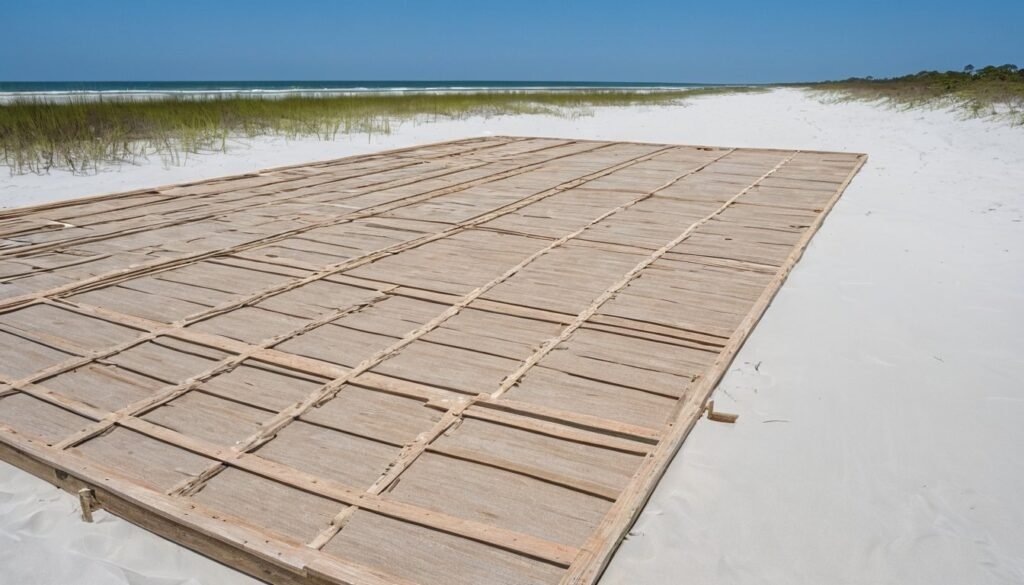
A loaded trailer or a camper puts a lot of weight on a few small patches of concrete. A pad should be at least five inches thick, and six is wiser for big units. We add steel, compact a stone base and thicken the edges where tires turn.
Salt and moisture from boat trailers can stain and eat at concrete, so a sealer helps. See concrete staining and sealing.
Rules, gates and water
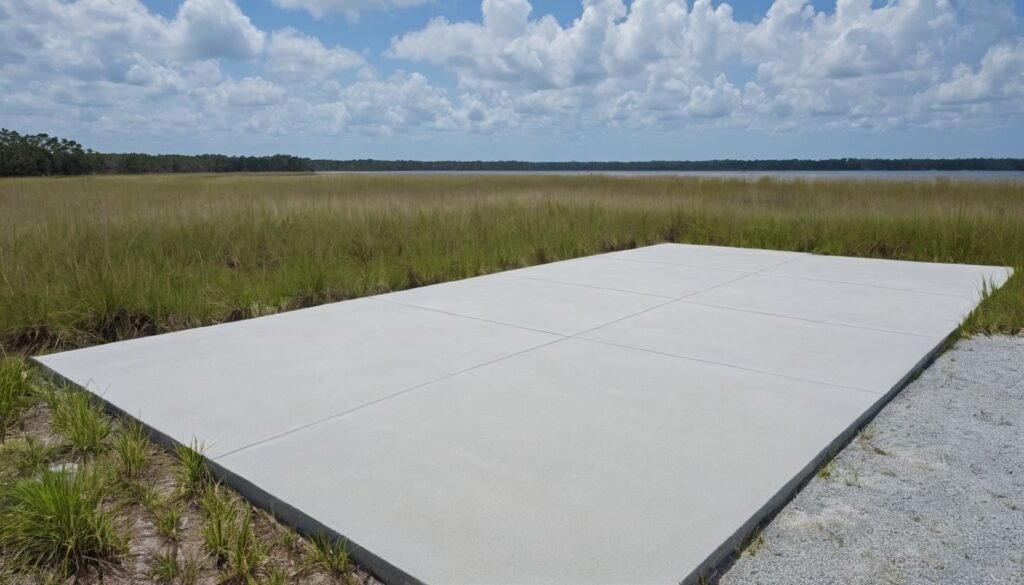
Some neighborhoods limit where boats and RVs can park, and many require approval for a new pad. Flood zones and stormwater rules can matter, too. We help you check before we pour. We also plan how rinse water runs off, so it does not flow into a neighbor's yard.
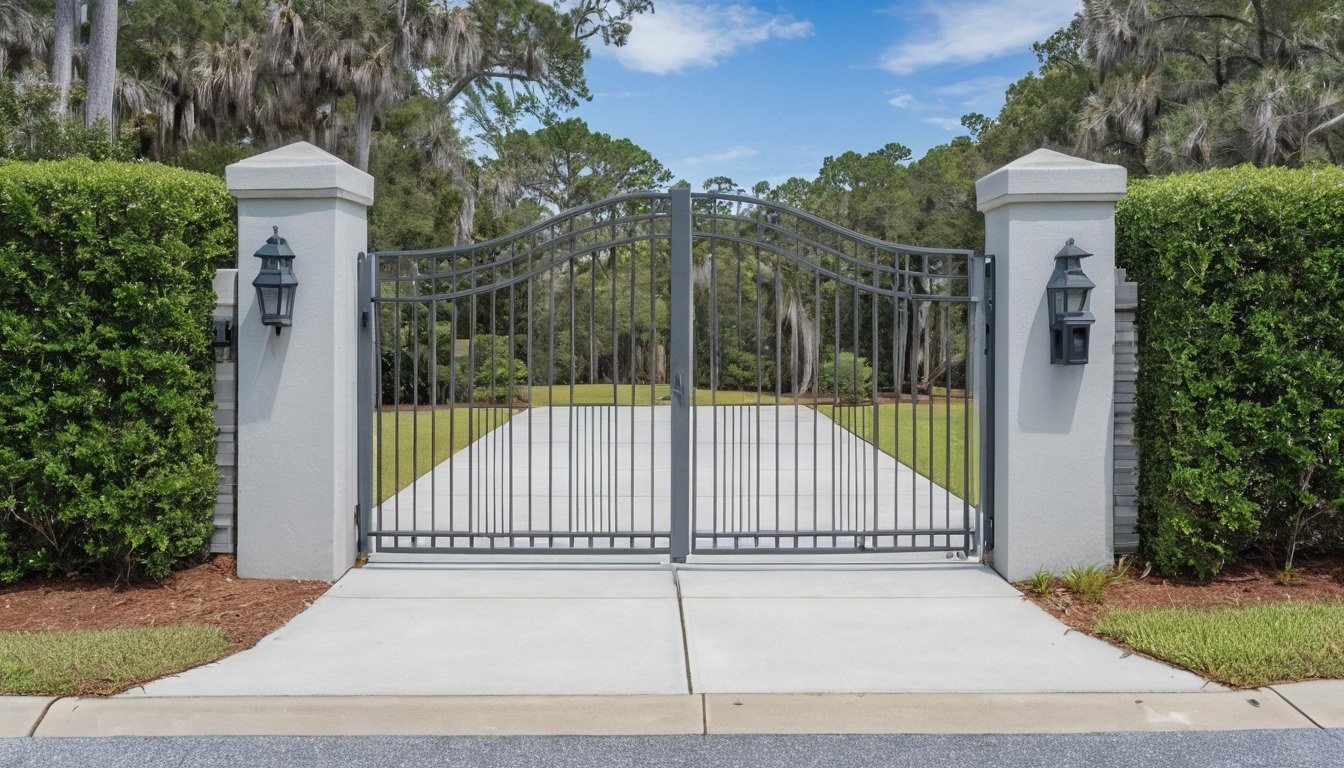
For driveways that double as parking, see driveway installation. For gated side yards, see concrete pads.
Boat and RV pad cost, timing and next steps
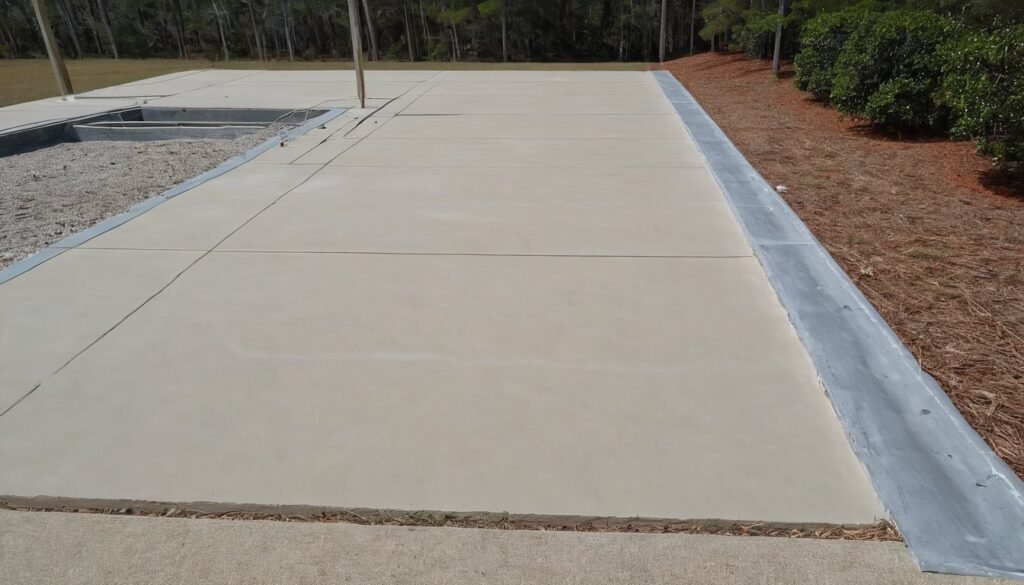
Price depends on size, thickness, steel and access for the trucks. Most pads take one or two days to pour, plus a week to cure before the trailer rolls on. We give you a written price and a clear schedule.
Call us any day from 5 AM to 10 PM or use the contact page.
Concrete Boat and RV Pads questions answered
How thick should a concrete pad for a boat or an RV be?
Five inches is a minimum for most boats and campers. For a large RV, a heavy fishing boat on a double axle trailer or a work trailer, six inches with steel is a safer choice. The edges where tires roll and turn can be thickened for extra strength. We also place a compacted stone base under the slab.
Sand moves, so the base matters as much as the concrete. We remove soft soil and organic matter, compact the base in layers and slope the pad so water runs away. You get the thickness, the steel and the base in your written estimate, so you can compare any bid.
Tell us the length, the weight and the tire spacing of your trailer, and we will plan concrete boat pads that fit it well. Ask us to measure your trailer with you, so the pad is not a foot too short.
How wide and long should my pad be?
Measure your trailer or RV from bumper to hitch, and from side to side. Then add room to walk around it, usually two to three feet on each side, and extra space at the back if you open a rear door. Many boat pads are about ten feet wide and twenty to thirty feet long.
Think about how you back in, too. A curved approach or a wider apron makes it easier, and it protects the grass and the fence. We mark the outline with paint so you can walk it first. If you may buy a bigger boat later, tell us, and we can pour a pad with a little more room.
Mark the outline with us on the ground first, so you can see how the pad will work before any concrete is poured. Tell us the hitch height and the tongue length, since these help us plan the approach and the apron for your concrete boat pads.
Can I pour a pad beside my house or in a side yard?
Often yes, but it depends on the setbacks, the HOA rules and the size of the space. A side yard pad needs enough width for the trailer and for you to walk beside it. It must also drain well and not push water onto the neighbor or toward the foundation.
We check the rules and the lot, and we tell you what is likely to work. If a gate is narrow, we plan for the equipment and the trucks. See concrete pads. A free visit shows us the space, the slope and the access, and we give you a written price with a sketch.
Rinse the pad with fresh water after salt water use, since regular rinsing helps concrete boat pads last longer. Ask about a small rinse area at one end, since a gentle slope and a gravel strip can keep salt water from soaking into the ground near concrete boat pads.
Will salt water from my boat damage the concrete?
Salt can stain concrete and, over time, attack the steel inside. Water from a boat trailer often carries salt, fuel and algae, and it sits on the surface. A good sealer keeps much of it from soaking in, and rinsing the pad with fresh water after use helps a lot.
We also cover the steel with enough concrete, so salt has a harder time reaching it. Plan to reseal every two or three years. See concrete staining and sealing. If the pad is near the water, we also look at drainage, so rinse water does not pool and soften the base.
Ask your HOA about boat and RV rules early, and we will help you with a sketch for concrete boat pads in Wilmington. Tell us about any gate, fence or tree near the path, and we will shape the pad and the curve so you can back in without a scrape.
Do I need a permit or HOA approval for a boat or RV pad?
Often you need at least one of them. Many neighborhoods limit parking for boats and RVs, and a new pad can count as added hard surface that must meet stormwater rules. Homes near the water may face coastal rules as well. A short call to your HOA and to the city or county can save a lot of trouble.
We help you ask the right questions. If you need a sketch with the size, the finish and the location, we can prepare one. Get any approval in writing before we pour, and give us a copy. We call NC811 before digging, so buried lines are marked and safe.
If you plan to buy a bigger boat later, say so, and we can pour a pad with a little room to grow. Ask us about a light color and a sealer, since both help a boat pad stay cooler under the sun and easier to clean after a day on the water.
How soon can I park my boat or RV on the new pad?
Wait about seven days for light trailers and about 28 days for heavy boats and RVs. You can walk on the pad after a day or two. Concrete keeps getting stronger for weeks, and a heavy load too early can crack it or leave tire marks in the surface.
We tell you the exact day for each use, and we mark the pad with tape and stakes. In summer heat, we keep the concrete damp at the start, so it cures well. If you have a trip planned, tell us the date. We plan the pour so the pad is ready before you roll out the boat.
A short note about your trip dates helps us plan the pour, so the pad has enough cure time before you roll out. Ask us for photos of a similar pad, and we will share what we have, so you can picture the size and the finish in your own yard.
Ready for a free estimate? Call (910) 981-2124 any day from 5 AM to 10 PM, or use the estimate form. Coastal Concrete Wilmington is locally owned and gives clear written estimates for patios, driveways and slabs.