
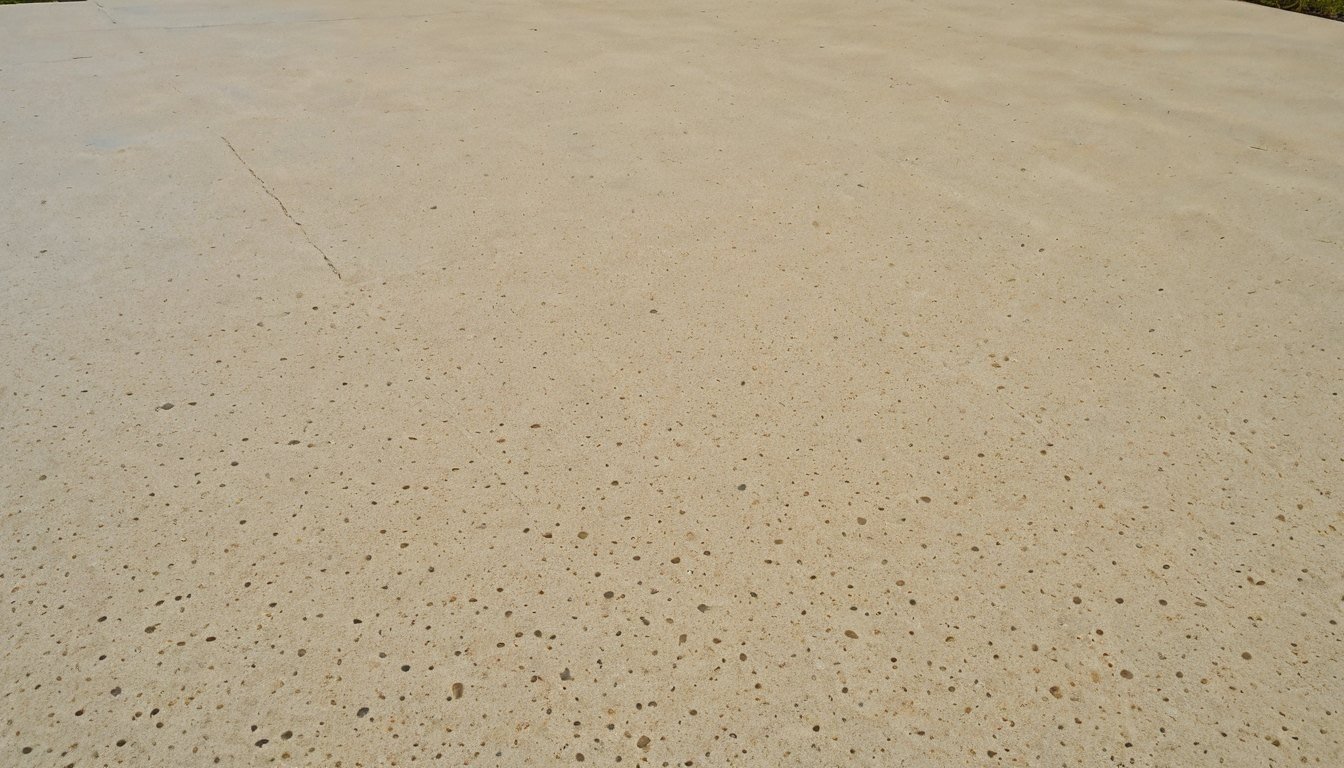
Not every worn slab needs to be torn out. Many have a solid base but a tired surface. They are stained, pitted or flaking, or they just look old. Salt, moisture and green algae can leave concrete looking rough in just a few seasons. Concrete resurfacing adds a thin new layer on top of sound concrete and can make it look new again for far less than a replacement.
Coastal Concrete Wilmington handles concrete resurfacing in Wilmington NC. We are locally owned, and we give a free written estimate that is honest about whether your slab is a good candidate.
What concrete resurfacing is
Resurfacing is a thin layer of special cement based material applied over old concrete. It is usually between an eighth of an inch and half an inch thick. The new layer bonds to the old slab and gives you a fresh surface that can be smooth, textured, colored or stamped.
It covers stains, small cracks and surface wear. It does not fix a slab that is sunken, broken or moving.
- Worn and pitted surfaces
- Flaking and scaled concrete
- Stained and discolored slabs
- Outdated color and finish
How we prepare and apply an overlay
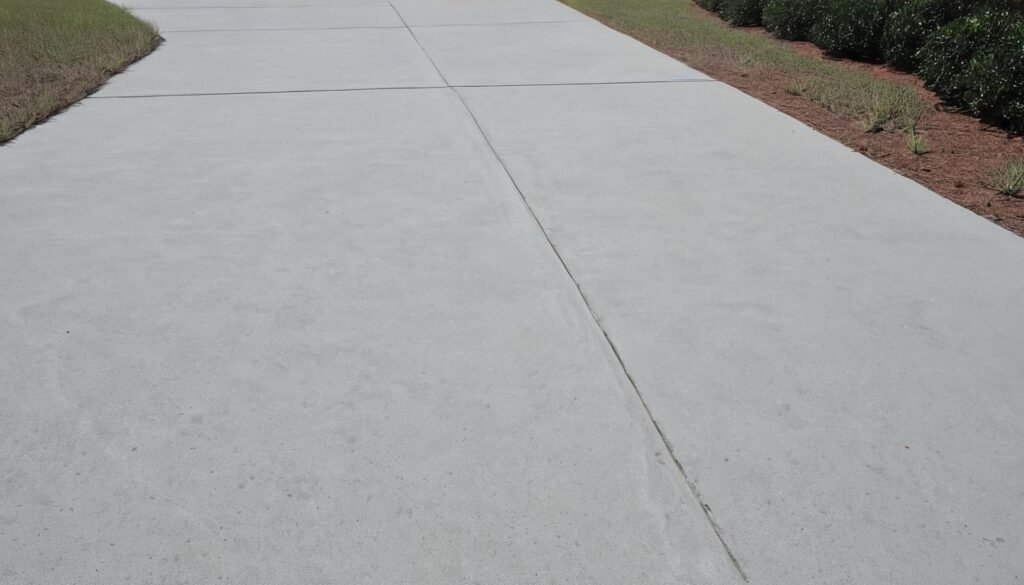
Prep is the most important step. We clean the slab, remove algae and old sealer, grind or shot blast the surface and repair cracks. We then apply a bonding primer. The overlay goes on in layers, and we finish it with a texture, a stamp or a smooth trowel. A sealer protects the final surface.
A rushed prep job leads to peeling. We take the time to get it right, and we do not overlay a slab that has a bad base.
Resurfacing versus replacing concrete
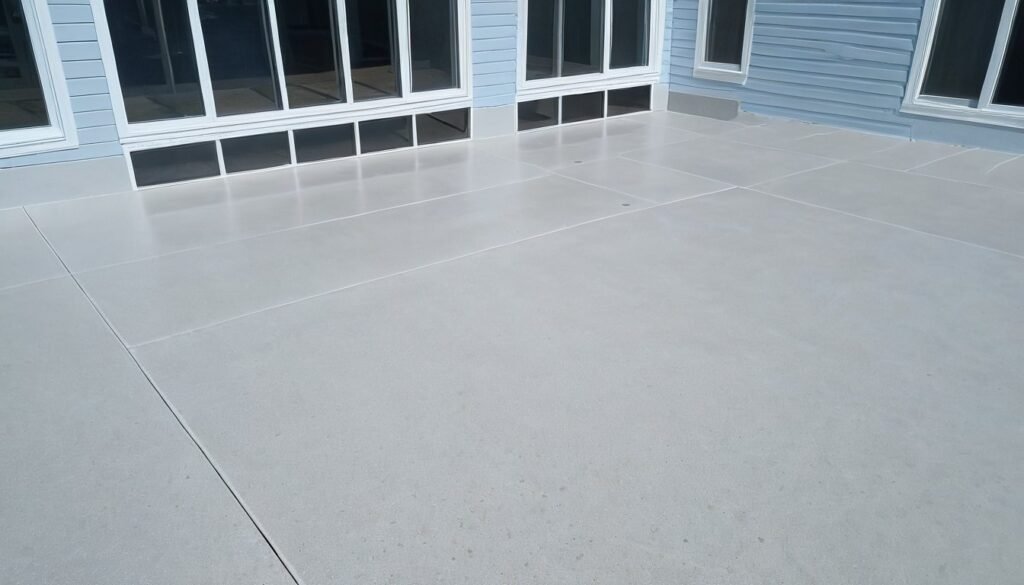
Resurfacing costs much less than a tear out and is faster. It works when the slab is level and solid. If the slab has sunk, see concrete leveling. If it is broken, see concrete demolition and concrete driveway replacement.
We look at the slab and tell you plainly which path fits. See also concrete staining and sealing for a lighter touch.
Resurfacing cost, timing and next steps
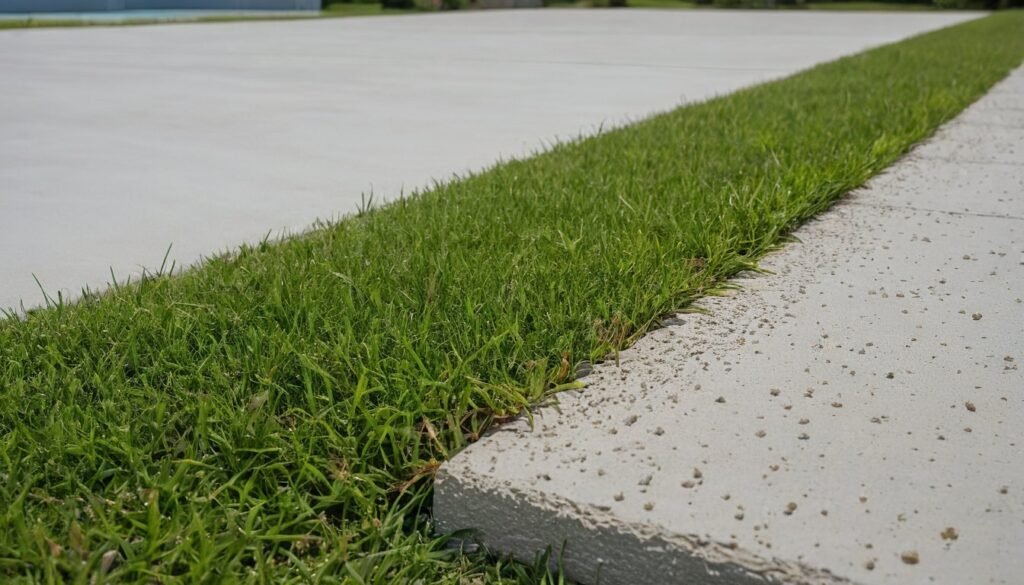
Price depends on the size, the prep, the finish and the color. Most patios take two or three days. We give you a written price and a schedule. You can usually walk on the surface in a day and use it fully in about a week.
Call us any day from 5 AM to 10 PM or use the contact page.
Concrete Resurfacing questions answered
What is concrete resurfacing and when does it work?
Concrete resurfacing is a thin layer of cement based material placed over an old slab. It hides stains, pitting and wear, and it can add color or a pattern. It works when the slab underneath is solid, level and mostly free of large cracks. The overlay bonds to the old concrete and becomes a new top.
It does not fix a slab that has sunk, tilted or broken into pieces, because the overlay will crack along with the old slab. We check the slab by looking, tapping and measuring. If it is a good fit, you save a lot of money. If not, we tell you why and suggest a better path, like leveling or replacement.
Ask for a small test area on your slab, since a short trial shows how the overlay bonds and how the color looks in daylight. Ask us to show the overlay colors in the sun and in the shade, since the same color can look different in each light.
How long does a resurfaced slab last?
A well done overlay can last 10 to 20 years. The life depends on the prep, the product, the traffic and the sun. Driveways with heavy cars wear faster than patios. Surfaces that stay damp or take hard hits can chip sooner.
A sealer helps a lot, especially near the coast. Plan to reseal every two or three years, depending on use. Fix small chips early. Avoid harsh chemicals and metal shovels on the surface. We tell you what to expect for your slab and leave simple care notes. When the overlay finally wears, it can often be refreshed again without a tear out.
A thin overlay cannot hide a slab that moves, so we always check for settling before we promise a smooth new surface from concrete resurfacing. Tell us about any past coatings or paint on the slab, since old coatings can block the overlay and must be removed first.
Can you resurface over cracks?
Small, stable cracks can be filled and covered. We fill them with a flexible repair product, then apply the overlay. Wide, moving cracks are a problem, because they can telegraph through the new layer. If a crack keeps moving, it usually means the ground is moving too.
We look at each crack and check if it is changing. In some cases, we cut and fill an expansion joint along the crack line, so the movement has a place to go. See concrete repair for how we treat cracks first. We tell you honestly which cracks will be hidden and which will need more work before the overlay goes on.
Please remove furniture and planters and plan for a day or two without use, and we will help you decide where to store items. Ask for a plan that lists each step of the prep, because a slab that is prepped well keeps its new surface for many years.
Can a driveway or a pool deck be resurfaced?
Yes. Many driveways and pool decks are good candidates. For driveways, we use a durable overlay that handles car traffic and a grip finish for wet days. For pool decks, we use a cool, textured surface that is comfortable on bare feet and resists chemicals.
The slab must be sound. If a driveway has sunk sections, the overlay will not hold. If a pool deck slopes the wrong way, the overlay will not fix drainage. See driveway repair and concrete patio installation. We look at the slab and the use, then choose the right system.
Hot weather shortens working time, so we plan overlays for cooler hours and keep the surface shaded and damp when we can. Ask us about slip resistance, since an overlay can be textured for grip, and we choose a finish that is safe on wet mornings near the coast, steps and pool areas.
How long before I can use the resurfaced area?
You can walk on most overlays after about a day. Light use, like patio furniture, is usually fine after two or three days. Cars should wait about a week, and heavy vehicles a little longer. The sealer needs time to cure too.
Weather affects the schedule. Hot and dry days speed the cure, while rain can slow it. We also protect the work from rain during the first day. We tell you exactly when to start using each area, and we help you plan around events and deliveries. A short wait is worth it for a surface that will look good for years.
We use a high quality bond coat and a sealer made for outdoor use, and we tell you the brand and the care steps in writing. Tell us if your slab shades green with algae, since we clean and treat it first, which helps the new surface stay clean longer.
Will resurfaced concrete match the rest of my yard?
It can. The overlay can be colored to match your house, your siding or your landscape. It can also be stamped or textured to look like stone, slate or a clean modern slab. We bring samples and show you colors in daylight, so you can pick what fits.
A fresh surface may look different from nearby old concrete. If the old concrete is still in good shape, we can stain or seal it to blend. If you want a uniform look across a large area, resurfacing the whole slab is often best. We help you plan the work, so the new surface looks planned and not patched.
If you plan to sell, a fresh overlay and a clean sealer can lift the look of your yard for a modest price. Ask what the warranty covers and what it does not, and we will explain it in plain words before you decide on concrete resurfacing.
Ready for a free estimate? Call (910) 981-2124 any day from 5 AM to 10 PM, or use the estimate form. Coastal Concrete Wilmington is locally owned and gives clear written estimates for patios, driveways and slabs.