
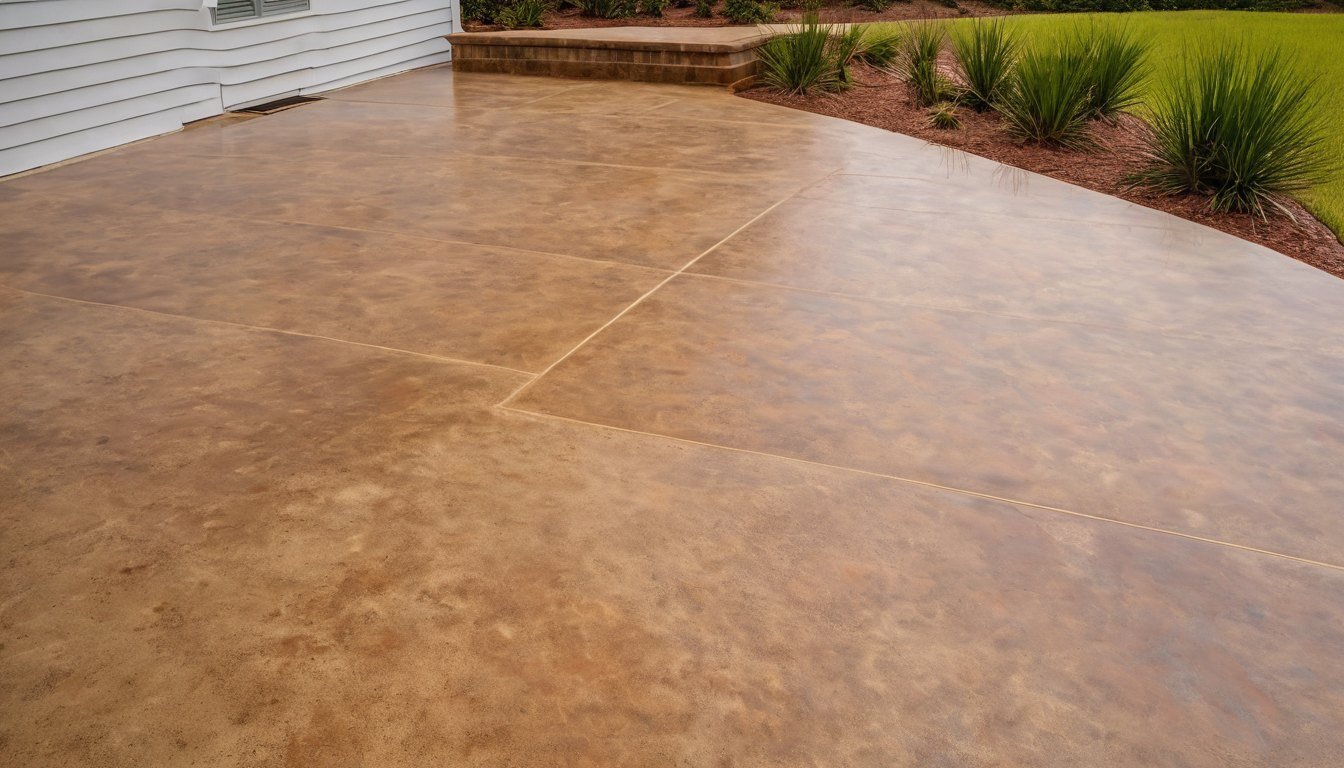
Plain gray concrete can look flat, and on the coast it can look worse. Humidity grows green algae in the shade. Salt spray dulls the surface. Rain soaks in and leaves stains. Staining adds rich color, and sealing protects it, so your slab looks good and stays easy to clean.
Coastal Concrete Wilmington does concrete staining and sealing in Wilmington NC for patios, driveways, walkways, garage floors and entries. We are locally owned, and we give a free written estimate with color samples.
Types of concrete stain
Acid stain reacts with the concrete to make marbled earth tones, like browns, tans and greens. Water based stain gives a wider range of colors, from soft sand to deep blue gray, and it is easy to control. Both soak into the surface, so they do not peel like paint.
Every slab takes stain a little differently, so each result is one of a kind. We test a small spot first when we can.
- Acid stain for rich, marbled earth tones
- Water based stain for a wide color range
- Dye for bright, even shades
- Tinted sealers for a light color boost
Why sealing matters near the coast
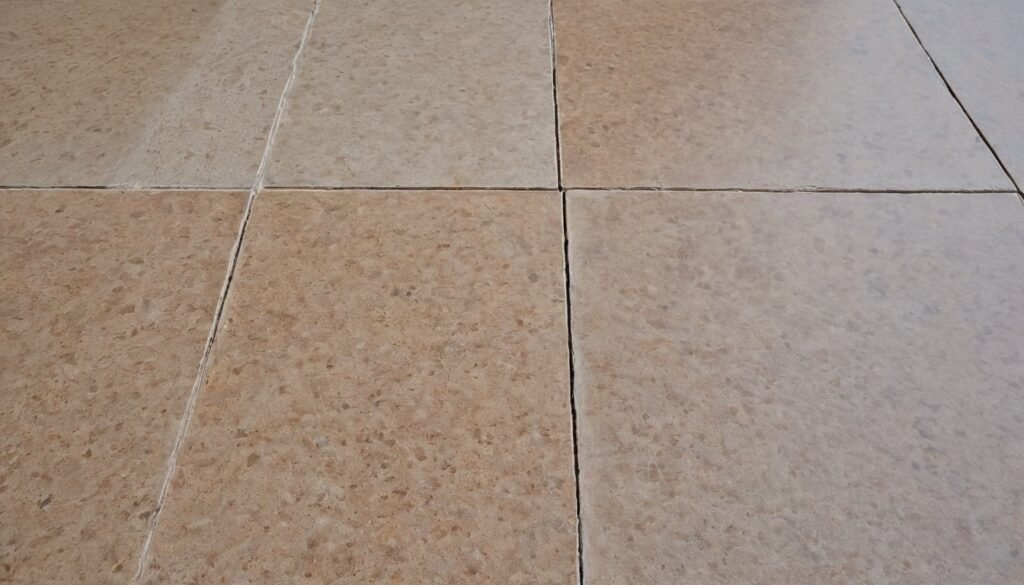
A sealer protects the surface from salt, oil, tire marks, mildew and sun. It also keeps stain colors from fading. Without a sealer, a stained slab can look dull in a year. On the coast, salt and humidity wear down unprotected concrete quickly.
A penetrating sealer is nearly invisible and lets the slab breathe. A film forming sealer gives a glossy look but can be slippery, so we add grip where needed.
Preparing concrete for stain and sealer
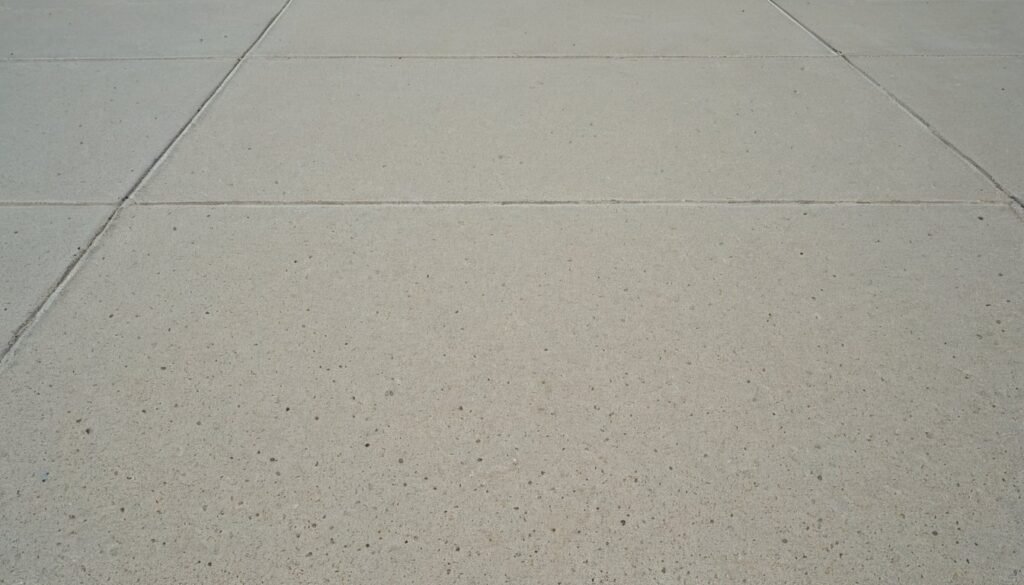
Prep decides the result. We clean the slab, remove algae and old sealer, and repair cracks and stains. Stain will not hide cracks or patches, so we tell you what will still show. Some old slabs have a hard trowel finish or a past coating that blocks stain.
If the surface is too worn, see concrete resurfacing first. See also exposed aggregate concrete for a textured option.
Staining and sealing cost, timing and next steps
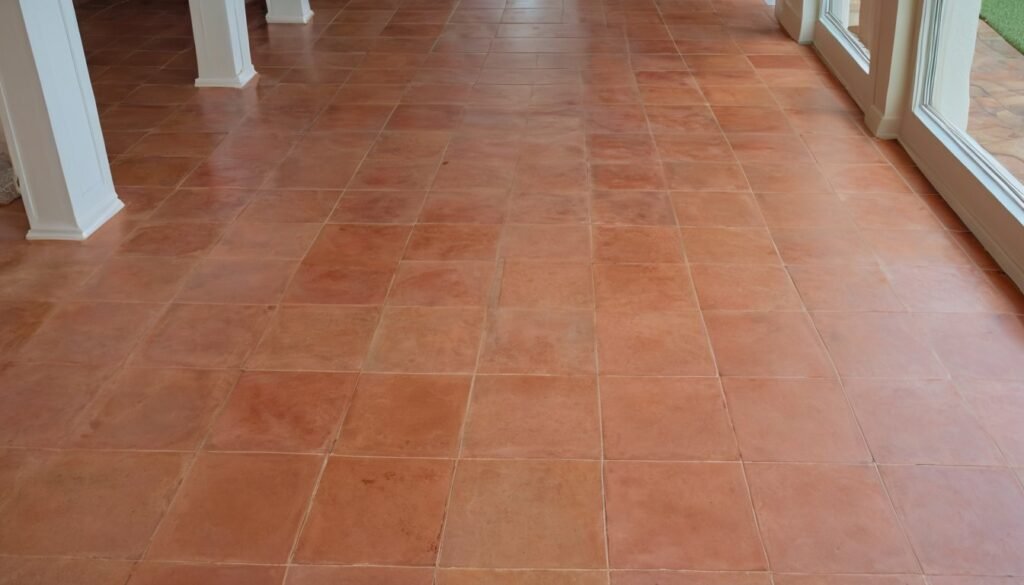
Price depends on the size, the prep, the stain type and the sealer. Most patios take two days, plus time for the sealer to cure. We give you a written estimate and a schedule.
Call us any day from 5 AM to 10 PM or use the contact page.
Concrete Staining and Sealing questions answered
How long does stained concrete last?
Stain soaks into the concrete, so it does not peel or flake like paint. The color can last for the life of the slab. What wears out is the sealer on top. In the coastal sun, salt air and rain, a sealer may need to be renewed every two to three years, or sooner on a driveway.
With regular care, a stained patio or floor can look good for decades. Sweep or rinse the surface, wipe spills and avoid harsh chemicals. Reseal when water stops beading on the surface. We leave simple care notes and are happy to come back for resealing when it is time. A little attention keeps the color deep and rich.
A concrete staining sample on a small hidden spot shows how the color will look on your slab, and we are glad to do one. Ask us to show a concrete staining sample on your own slab first, so you can see the real color.
Can you stain old concrete?
Often, yes. Old concrete can take stain well, as long as it is clean and bare. We remove dirt, grease, algae, paint and old sealer first. Then we test a small spot to see how the stain reacts. Concrete that has been sealed or coated may need grinding or stripping.
Stain does not hide flaws. Cracks, patches and old marks will still show, and sometimes they stand out more. If the surface is very worn, a thin overlay may be a better start. See concrete resurfacing. We look at your slab, tell you what to expect and show you samples before we start.
Please keep plants and furniture covered or moved, since stain and sealer can mark nearby surfaces, and we protect walls and trim with tape. Tell us about the shade and the landscaping near the slab, since concrete staining colors look different in sun, shade and under trees.
Is stained concrete slippery?
It can be, if it is sealed with a glossy film and the surface is smooth. Wet and shiny is slick. For patios, pool decks and driveways, we add a fine grip additive to the sealer or pick a satin sealer that has more traction.
If the slab already has a broom finish, it is usually safe when stained and sealed. Steps and slopes need extra care. Tell us how the surface will be used, and we will choose a sealer that looks good and keeps feet steady. We never leave a slick surface where people walk barefoot or with wet shoes.
Rain and dew can harm a fresh coat, so we plan concrete staining and sealing for dry days and tell you how long to stay off. Ask us what sealer we plan to use and why, since a good sealer for the coast blocks salt and water and can be renewed without stripping.
What colors can I choose for concrete stain?
Acid stains come in earth tones like tan, brown, terra cotta and green. Water based stains and dyes offer a much larger range, including gray, blue, red and black. The final color depends on the stain and on the concrete underneath, so the same stain can look different on two slabs.
We bring samples and test spots so you can see real colors. On the coast, many people like sandy tans and soft blue grays that match the sky and the marsh. Lighter colors stay cooler in the sun. We help you pick colors for your house and landscape, and we show you photos of finished work.
Tell us if pets or children will use the space, and we will choose a product that is safe once it has cured. Tell us if your patio or driveway has oil stains, paint or old coatings, since concrete staining needs a clean surface, and we plan extra prep for tough spots.
How should I care for sealed concrete?
Sweep dirt and leaves often. Rinse the slab with water and wash it with a mild soap now and then, especially after salt spray. Wipe up spills like oil, wine and paint quickly. Avoid acids, harsh cleaners and metal shovels, which can scratch the finish.
Watch how water behaves on the surface. If it soaks in instead of beading, the sealer is worn and it is time to reseal. Most patios need resealing every two or three years. High traffic areas wear sooner. We can reseal your slab for you, or tell you what product to use. A little regular care keeps your concrete looking new.
Bright and bold colors need a very clean base, so we spend extra time on prep when you choose a strong shade. Ask us about a satin sealer with a grip additive, since it keeps a stained walkway or pool area safe when wet and still shows off the color.
Can you seal a driveway or garage floor?
Yes. A sealer on a driveway keeps oil and tire marks from soaking in and protects against water, salt and sun. A sealer in a garage makes cleaning easy and helps resist stains from drips and chemicals. We choose a product that suits the use, including grip for wet areas.
New concrete should cure for about 28 days before sealing, so the sealer can bond well. Old concrete must be clean and dry. See driveway installation and driveway repair. We look at your slab and recommend a sealer, and we give a written price for the work.
A written care plan comes with the job, and we are happy to schedule your first reseal so you never forget the date. Ask us to put a reseal date on your calendar, because concrete staining holds its richness only when the sealer is renewed on time. Ask us to leave the care steps in writing.
Ready for a free estimate? Call (910) 981-2124 any day from 5 AM to 10 PM, or use the estimate form. Coastal Concrete Wilmington is locally owned and gives clear written estimates for patios, driveways and slabs.